HealthSwapna Mallik4/4/2026
Water quality testing is a crucial practice for protecting human health and maintaining environmental balance. Because water sources differ widely in composition, evaluating their quality requires examining physical, chemical, and biological characteristics. Safe and clean water is not just a necessity but a basic right, making regular monitoring essential.
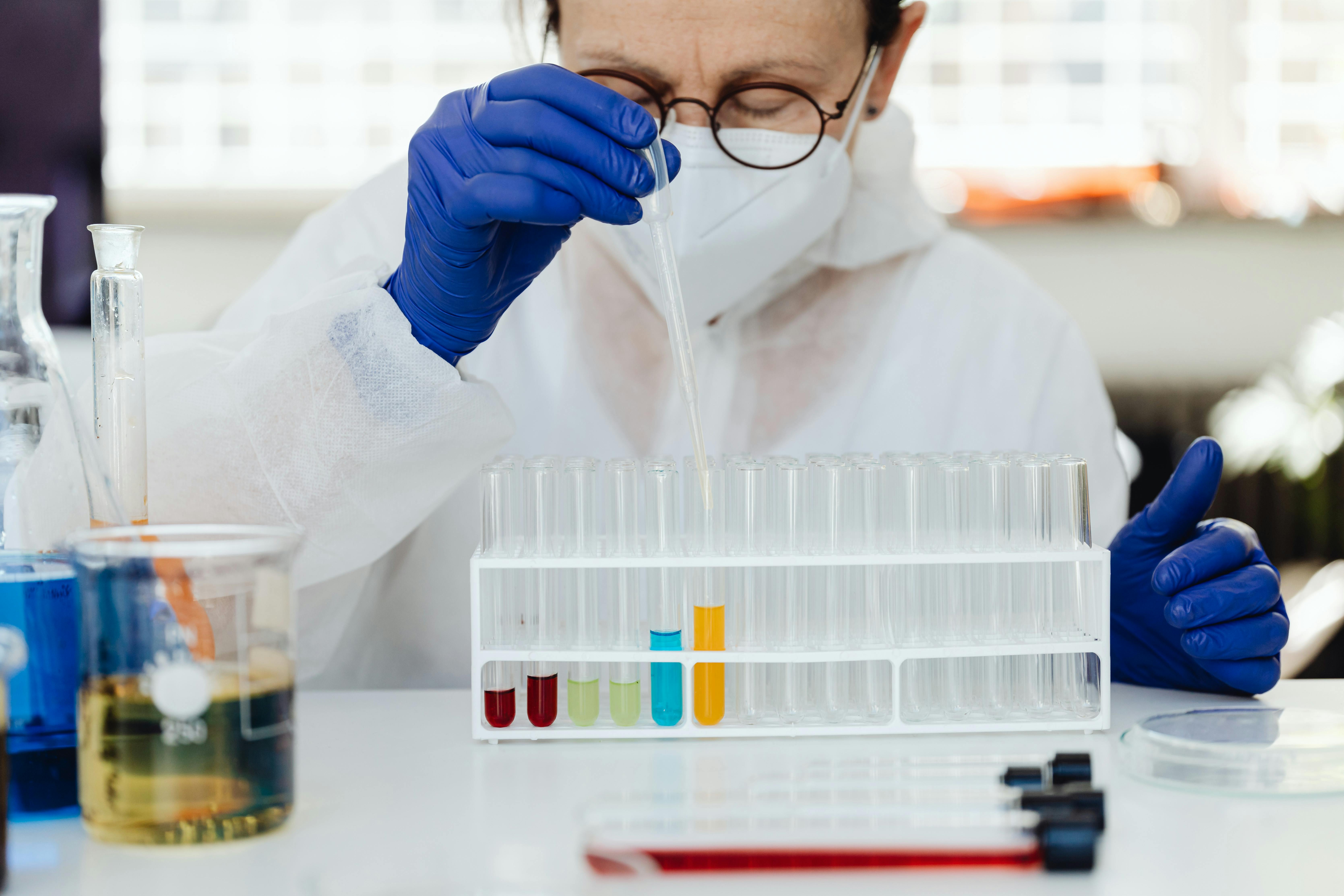
Testing water is essential to ensure it is safe for daily use and consumption. Contaminated water may contain harmful microorganisms, toxic metals, or chemical pollutants that can lead to serious health issues. For example, certain bacteria can cause digestive problems, while long-term exposure to heavy metals may impact brain development. Accurate analysis carried out in a state water testing laboratory helps detect these risks and ensures reliable results.
Water testing is also important for protecting the environment and meeting safety regulations. Pollutants can disrupt aquatic ecosystems, and excess nutrients may reduce oxygen levels in water bodies, harming aquatic life. Regular monitoring, often helps identify such problems early and ensures compliance with safety standards, building public confidence in water quality.
Laboratory testing is considered the most dependable way to analyze water quality. The process begins with careful sample collection using clean containers to avoid contamination. Proper handling and transportation are essential to ensure accurate results.
In a laboratory setting, water is examined through multiple approaches:
Using advanced instruments and standardized procedures, laboratory testing delivers precise and detailed results. Skilled professionals interpret the findings, making this method highly reliable for identifying potential hazards.
Home testing kits are designed for individuals who want a quick and simple way to check their water quality. These kits allow users to perform tests independently and receive immediate feedback.
They come in different forms:
Selecting the right testing approach depends on individual needs and circumstances. Home kits are suitable for quick checks or routine monitoring, especially when immediate results are needed. In contrast, laboratory testing is more appropriate when detailed analysis is required or when contamination is suspected.
Factors such as cost, urgency, and the source of water should guide the decision. For example, households relying on private water sources may benefit from periodic laboratory testing, while also using home kits for regular checks.
Maintaining safe water requires consistent attention and the right tools. Laboratory testing offers accuracy and depth, making it essential for thorough evaluation. Home testing kits, on the other hand, provide a practical way to stay informed on a day-to-day basis.
Using both methods together can create a more effective strategy for water safety. Regular monitoring, combined with timely action, ensures that water remains safe for consumption and supports long-term environmental sustainability.